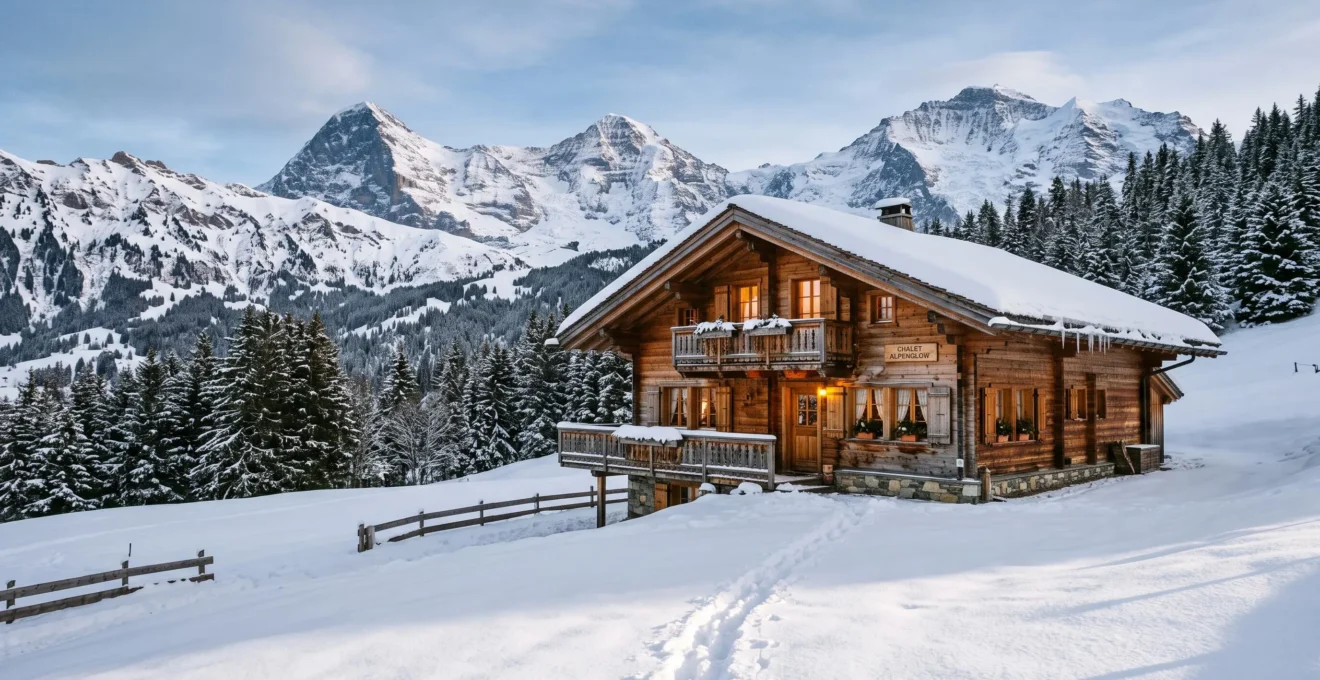
Alpine chalets no longer belong to a single season. The same timber building that shelters a ski group in January can host a hiking family in July, or serve as a fully self-sufficient mountain retreat all year round. This enduring appeal shows in the numbers: the European Alps alone host over 45,000 registered holiday chalets, with occupancy rates climbing to 78% during peak winter months and 62% throughout summer. Behind these figures lies a specific craft—chalets that resist heavy snow, cut heating bills, sit minutes from world-class slopes or trailheads, and increasingly run off-grid.
This guide covers what makes an authentic alpine chalet, from post-and-beam timber framing to natural insulation; which destinations best match each traveller profile, from Chamonix to Courchevel; how to use a chalet as a base for summer hiking routes like the Tour du Mont Blanc; what infrastructure a true off-grid retreat requires; and what drives rental yields and environmental compliance for owners and investors.
- Authentic alpine chalets combine post-and-beam timber framing, stone or micro-pile foundations, steep 35–55° roofs and high-performance natural insulation to handle snow, slopes and seismic activity.
- Chamonix, Zermatt, Verbier, the Austrian Tirol and Courchevel each suit different skier profiles, from expert freeriders to prestige-focused travellers.
- In summer, chalets near the TMB, Dolomites Alta Via, Engadin trails or the GR54 work as comfortable hiking bases instead of hut-to-hut dormitories.
- True off-grid chalets rely on solar PV with 20–40kWh LiFePO₄ battery banks, gravity-fed spring water with UV treatment, and high-efficiency wood heating.
- Prime-resort gross rental yields typically reach 3–5%, but location, specification, professional management (20–30% of income) and energy regulations like RE2020 and Minergie determine real performance.
Architectural features and construction standards of traditional alpine chalets
An authentic alpine chalet is defined less by its location than by its construction philosophy: a post-and-beam timber structure on engineered foundations, a steep-pitched roof designed to shed snow, and a high-performance thermal envelope. Modern builds add cross-laminated timber (CLT), natural insulation and mechanical ventilation with heat recovery to these time-tested principles.
The architectural DNA of alpine chalets reflects generations of adaptation to extreme mountain conditions, where structural integrity determines not just comfort but survival. These buildings embody practical responses to heavy snowfall, dramatic temperature fluctuations, seismic activity and steep terrain—whilst maintaining the aesthetic coherence that defines alpine landscapes. Modern construction standards now blend time-tested techniques with contemporary building science, creating properties that honour tradition whilst meeting rigorous performance criteria.
Timber frame engineering and load-bearing structural design
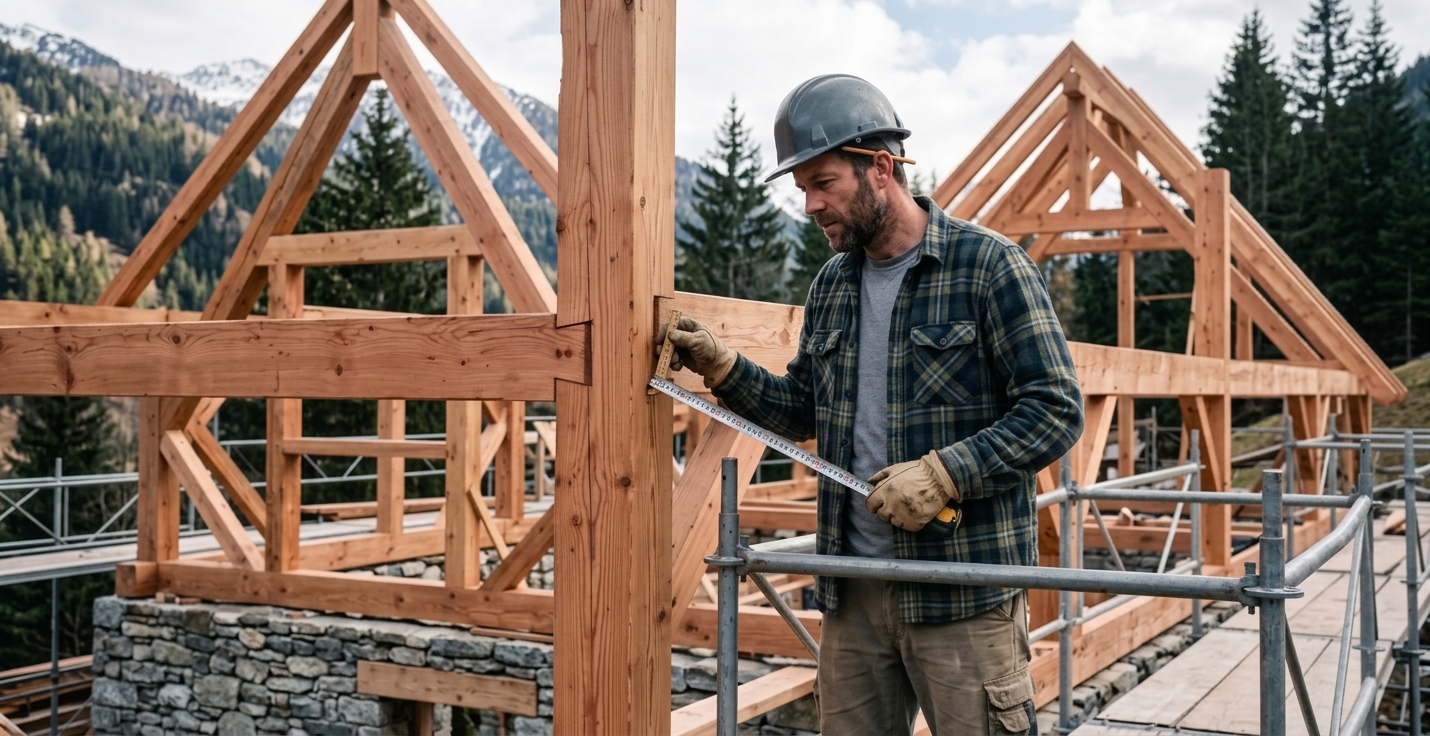
Traditional alpine chalet construction centres on post-and-beam timber framing, using locally sourced larch, spruce or Swiss stone pine selected for density, durability and natural resistance to decay. The engineering principle relies on vertical load distribution through substantial timber columns, typically measuring 200–300mm in cross-section, which transfer roof and floor loads directly to foundation elements. This skeletal framework permits generous interior volumes whilst maintaining structural integrity under snow loads exceeding 400kg per square metre in high-altitude locations.
Contemporary timber engineering has introduced cross-laminated timber (CLT) panels, which offer superior dimensional stability and load-bearing capacity compared with traditional solid timber. CLT construction enables larger spans—up to 8 metres without intermediate support—creating flexible interior layouts that conventional framing would struggle to achieve. These engineered wood products also demonstrate remarkable seismic performance: their flexibility absorbs ground movement rather than transferring stress to rigid connections, an invaluable characteristic for chalets in tectonically active alpine zones.
Stone foundation requirements for mountain terrain stability
Alpine terrain presents unique foundation challenges, with bedrock proximity, frost penetration depths exceeding 1.5 metres and slope stability considerations demanding specialised approaches. Traditional chalets employed dry-stone foundations—massive walls of locally quarried granite, gneiss or limestone—set directly onto bedrock or excavated to reach stable strata. Often exceeding one metre in thickness, these foundations provided thermal mass that moderated ground-floor temperatures whilst creating impenetrable barriers against moisture migration.
Modern foundation engineering incorporates reinforced concrete footings designed to current Eurocode 8 seismic standards, with depth calculations accounting for local frost lines and bearing capacity. On sloped sites, stepped foundations distribute loads across varying elevations, whilst cantilevered sections extend outward to maximise buildable floor area without excessive excavation. Where unstable slopes or avalanche risk zones exist, micro-pile foundations driven through surface soils anchor into bedrock and resist lateral forces. Recent projects in avalanche-prone areas increasingly specify deflection structures—reinforced barriers integrated into foundation systems that redirect snow flows around rather than into buildings.
Pitched roof systems for snow load management and drainage
The characteristic steep-pitched roofs of alpine chalets—typically between 35 and 55 degrees—serve essential functions beyond aesthetics. This geometry facilitates natural snow shedding, preventing accumulation that could exceed structural capacity whilst eliminating the ice dam formation that plagues shallow-pitched designs. Traditional roofs employed hand-split wooden shingles (tavaillons in the French Savoie) or heavy stone slates in high-wind zones, both adding ballast against uplift. Contemporary chalet roofs increasingly use engineered trusses and laminated rafters, allowing wider spans and integrated features such as covered balconies, skylights and photovoltaic panels without compromising structural performance.
Snow load management now follows precise regional design codes, with engineers modelling worst-case accumulation scenarios based on altitude, prevailing winds and historical data. Critical junctions—eaves, valleys and dormer interfaces—are detailed with ice- and water-resistant membranes, ventilated cold-roof cavities and metal flashing to prevent meltwater ingress. Many luxury chalets also incorporate heated guttering or discreet snow guards, controlling the pace and direction of snow shedding to protect terraces, entrances and lower roofs during rapid thaws.
Thermal insulation materials: cross-laminated timber and natural wool
Energy performance has become a defining feature of modern alpine chalet construction, with many new builds targeting near-passive or even net-zero standards despite harsh climatic conditions. Cross-laminated timber walls provide inherent thermal resistance, typically supplemented with high-performance insulation layers to achieve U-values in the range of 0.12–0.18 W/m²K. In keeping with the ecological ethos of many mountain communities, natural materials such as sheep’s wool, wood fibre boards and cellulose (recycled paper) are increasingly favoured over petrochemical foams.
Sheep’s wool insulation, sourced from regional flocks, balances thermal efficiency, moisture buffering and acoustic damping—ideal for chalets hosting multiple guests or located near ski runs. Wood fibre boards installed externally create a continuous insulation envelope that reduces thermal bridging through structural members while adding mass that improves summer heat protection. Combined with triple-glazed windows, airtight membranes and mechanical ventilation with heat recovery (MVHR) systems, these materials enable alpine chalets to maintain stable indoor temperatures year-round, reducing heating energy demand by up to 60% compared with pre-2000 building stock.
Premier alpine chalet destinations for winter sports and summer escapes
Location remains the single most influential factor in the value and appeal of an alpine chalet, especially for guests prioritising winter sports. Proximity to ski lifts, snow reliability, vertical drop and access to off-piste terrain all shape demand patterns and rental yields. Yet each major destination offers a distinct character: from high-octane freeride hubs to understated, family-focused resorts and prestige addresses. Understanding these nuances helps you match your chalet choice—or investment strategy—to the type of mountain experience you value most.
Chamonix-Mont-Blanc: ski-in ski-out properties near Aiguille du Midi
Chamonix sits at the intersection of cutting-edge mountaineering culture and world-class ski infrastructure, making it a magnet for expert skiers and adventurous families alike. Chalets with ski-in ski-out access to Les Houches, Brévent-Flégère or Grands Montets are particularly coveted, as they minimise transfer times and maximise time on snow. Properties near the Aiguille du Midi cable car place you at the gateway to the renowned Vallée Blanche off-piste descent—a 20km high-altitude itinerary that remains a bucket-list objective for many experienced skiers.
Chamonix chalets also benefit from year-round tourism, driven by alpine climbing, trail running events like the UTMB and summer sightseeing as much as by skiing. This diversified visitor profile underpins strong annual occupancy and often justifies investment in features such as indoor swimming pools, spa areas and dedicated gear rooms with boot warmers. For those who value both technical terrain and a vibrant town with restaurants, bars and cultural events, Chamonix offers one of the most complete winter chalet environments in the Alps.
Zermatt car-free village chalets with Matterhorn views
Zermatt’s unique blend of car-free streets, high-altitude glacier skiing and iconic Matterhorn views gives its chalets an almost cinematic quality. Properties here often prioritise panoramic glazing and generous balconies, framing the distinctive pyramid-shaped peak as a living artwork. Many of the most desirable chalets sit in the Winkelmatten and Petit Village districts, offering peaceful surroundings while remaining within walking distance or a short e-taxi ride of the Gornergrat and Sunnegga lift stations.
The absence of private cars enhances both air quality and acoustic comfort, making even central chalets feel like secluded retreats. High-elevation lifts and extensive snowmaking enable a long ski season—from late November to early May on many slopes, with glacier access even in summer. Investors should note that strict planning regulations and limited land supply contribute to consistently high property values; this scarcity, however, also supports stable rental rates and comparatively low vacancy for well-managed luxury chalets with spa facilities, cinema rooms and integrated ski rooms.
Verbier Four Valleys access points and luxury chalet locations
Verbier, at the heart of Switzerland’s Four Valleys ski area, marries extensive lift-served terrain with an entrenched reputation for off-piste skiing and après-ski. The most desirable pockets cluster around the Savoleyres, Médran and Les Esserts sectors, where you can step out the door and be on the lift in minutes. South-facing slopes are particularly prized for their long hours of winter sun, turning terraces and outdoor hot tubs into genuine extensions of the living space even in mid-season.
Verbier’s chalet market skews strongly towards the high end, with many properties featuring full spa floors, wine cellars and dedicated staff accommodation. The resort attracts an international clientele willing to pay premium weekly rates, especially over New Year and peak school holidays. For buyers considering a ski chalet investment with robust rental potential, Verbier’s combination of over 400km of pistes, reliable snow and strong brand recognition makes it a compelling, if capital-intensive, option. Non-skiers also find plenty to enjoy in the resort’s cosmopolitan atmosphere and off-snow amenities.
Austrian Tirol region: Kitzbühel and St. Anton am Arlberg accommodations
The Austrian Tirol offers a different flavour of alpine chalet life: equally snow-focused, but often more rooted in traditional village culture and gemütlich hospitality. Kitzbühel, famed for the Hahnenkamm downhill, features a patchwork of historic farmhouses and modern chalets on surrounding hillsides. Properties with direct or near-direct access to the Hahnenkamm or Kitzbüheler Horn lifts are especially popular, but many guests also seek quieter hamlets such as Jochberg or Aurach, where forest-backed chalets offer a greater sense of retreat.
St. Anton am Arlberg, meanwhile, is synonymous with challenging pistes and vibrant après-ski, drawing advanced skiers from across Europe. Chalets in Nasserein and Oberdorf provide convenient access to main gondolas while sitting just far enough from the busiest nightlife for comfortable family stays. Thanks to the Ski Arlberg link, guests can explore over 300km of groomed runs spanning Lech, Zürs and Warth-Schröcken. Architecturally, many Tirolean chalets maintain traditional carved balconies, deep eaves and painted façades—often hiding cutting-edge wellness zones and underfloor heating behind these classic exteriors.
Courchevel: prestige chalets and tailored services in the Three Valleys
Courchevel completes this panorama as a reference for prestige alpine stays. Its tiered villages each have a distinct character: Courchevel 1850, the highest and most exclusive level, concentrates luxury chalets, fine dining and direct access to the Trois Vallées ski area; Courchevel 1650 (Moriond) offers a sunnier, sportier atmosphere; and Courchevel 1550 (Village) provides a more residential, family-oriented setting with convenient lift links. Across these levels, buyers and renters find a consistent standard of high-specification chalets, ski-in ski-out positioning and year-round resort services.
Navigating this market is considerably easier with local expertise. For location, rental or purchase, the Altitude Courchevel agency specialises in chalets, apartments, studios and duplexes across Courchevel, drawing on three decades of direction by Muriel Charlot and Pierre Cuomo. Beyond transactions, its tailored concierge services—transfers, ski equipment, private chefs and ski lessons—serve a clientele of property owners, agencies and prestige travellers who expect a seamless stay from arrival to departure.
Summer alpine hiking routes and trail-adjacent chalet accommodation
As climate patterns shift and summer heatwaves become more frequent in European lowlands, alpine hiking holidays have surged in popularity. Overnighting in a chalet near major trailheads allows you to enjoy the best of both worlds: long days traversing ridgelines and glacial valleys, followed by evenings in private comfort rather than shared dormitories. The most successful hiking-base chalets balance transport convenience—proximity to lifts or shuttle stops—with a setting that feels immersed in nature, whether overlooking a lake, forest or meadow.
Tour du Mont Blanc refuge points and private chalet stays
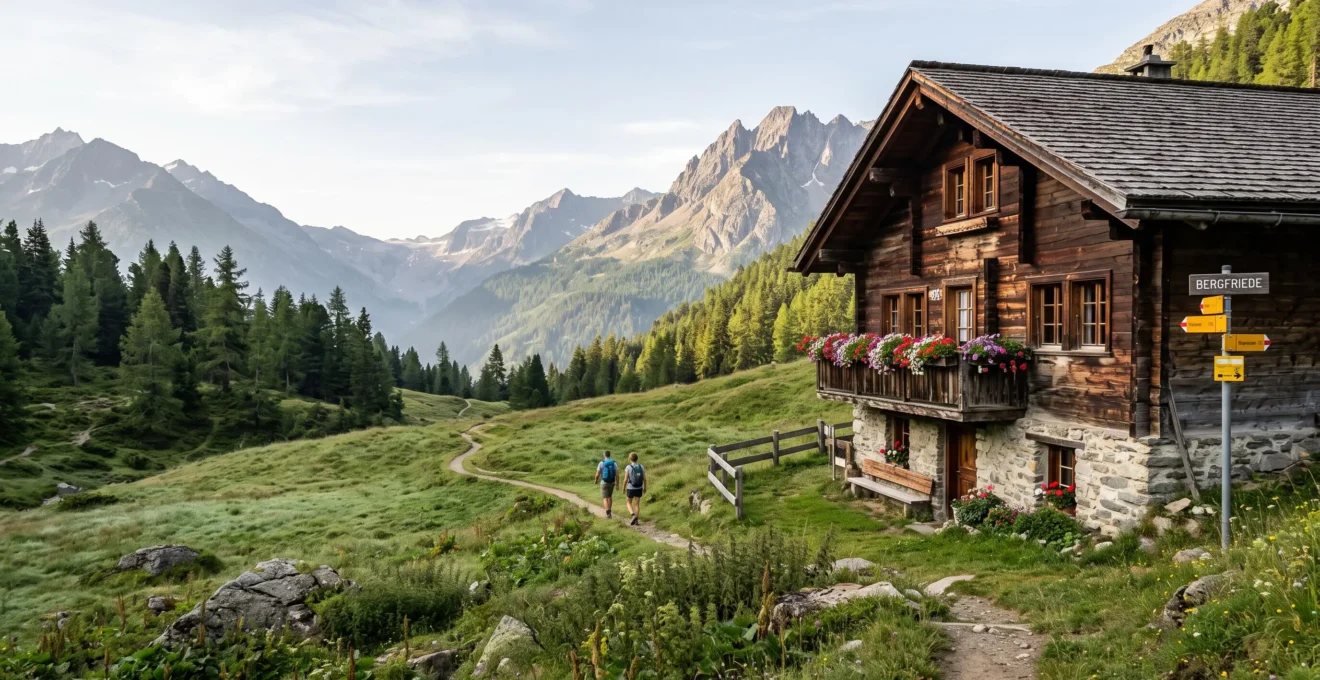
The Tour du Mont Blanc (TMB) is one of Europe’s classic long-distance hikes, circumnavigating the Mont Blanc massif through France, Italy and Switzerland over roughly 170km. While many trekkers stay exclusively in mountain refuges, a growing number weave in nights at private chalets in Chamonix, Courmayeur or the Val Ferret to recharge mid-route. Basing yourself for several nights in a chalet near Les Houches or Argentière, for instance, allows you to tackle key TMB sections as day hikes, returning each evening to hot showers, a proper bed and perhaps a Jacuzzi under the stars.
This hybrid approach suits multi-generational groups or those who love the idea of the TMB but prefer not to carry heavy packs for consecutive days. When selecting a chalet for this style of summer holiday, look for boot rooms with drying facilities, flexible bedroom configurations and outdoor spaces for stretching or yoga. Easy access to local transport—the Chamonix valley train and bus network—also makes point-to-point day stages feasible without a rental car.
Dolomites Alta Via long-distance trails and mountain hut networks
The Dolomites’ Alta Via routes, particularly Alta Via 1 and 2, offer dramatic limestone spires, airy traverses and a well-developed network of rifugi (mountain huts). However, you don’t need to commit to a full hut-to-hut itinerary to enjoy these landscapes. Chalets and villas in bases like Cortina d’Ampezzo, Corvara, Arabba or San Cassiano serve as comfortable hubs from which to sample consecutive stages of the Alta Via trails as day hikes. Many high-end summer chalets in the Dolomites feature expansive terraces and floor-to-ceiling windows, capitalising on some of the most distinctive mountain scenery in Europe.
Because the Dolomites are a UNESCO World Heritage Site, local planning rules strongly encourage sympathetic architecture and environmental stewardship. Chalets often employ local larch and stone, with green roofs or discreet solar arrays that blend into the terrain. For hikers, practical amenities such as secure storage for via ferrata kits, washing machines for technical clothing and saunas for post-hike recovery significantly enhance trail-adjacent accommodation. With lift systems operating through much of the summer, you can also shorten steep ascents, making high-level traverses accessible to a wider range of fitness levels.
Swiss National Park Engadin valley walking routes
The Engadin Valley in south-eastern Switzerland combines crystalline lakes, larch forests and the country’s only official national park, making it a haven for walkers who prefer quiet trails and wildlife watching over crowded summits. Chalets in and around villages like Sils Maria, Pontresina and Scuol provide quick access to waymarked routes ranging from gentle riverside strolls to full-day alpine circuits. Because motorised access is tightly regulated within the Swiss National Park itself, staying in a nearby chalet gives you the flexibility to enter the area early, when animal activity is highest and day-tripper numbers are lowest.
Many Engadin chalets take advantage of the region’s high sunshine hours—around 320 days per year in some microclimates—with south-facing glazing and generous balconies. Excellent public transport links, including the scenic Rhaetian Railway, make car-free hiking holidays entirely viable. For anyone seeking a low-impact, nature-focused escape, combining a week in an Engadin chalet with day hikes into the park offers an appealing balance of comfort and conservation-friendly travel.
Écrins National Park GR54 trekking circuit accommodation options
Less internationally known than the Mont Blanc region but cherished by seasoned hikers, France’s Écrins National Park is home to the GR54 circuit—a demanding 180km loop with over 12,000m of elevation gain. For those not inclined to attempt the full trek in one go, chalets around Bourg d’Oisans, La Grave, Vallouise and Le Monêtier-les-Bains serve as strategic bases for sampling highlight sections: balcony paths overlooking glaciers, wildflower meadows teeming with marmots, and passes that feel far more remote than their actual distance from civilisation might suggest.
Because the Écrins receive fewer visitors than many other alpine massifs, chalets here often deliver a stronger sense of seclusion at comparatively accessible price points. Properties may be less overtly glamorous than in hotspots like Chamonix or Zermatt, but increasingly you’ll find thoughtfully renovated farmhouses featuring wood stoves, hot tubs and large gardens—ideal for families and groups who value space and quiet. When planning a summer hiking holiday in this area, it’s wise to verify local transport options and trailhead access, as public links can be more limited than in larger resorts.
Off-grid alpine retreat infrastructure and self-sufficiency systems
Interest in secluded alpine chalets has accelerated in recent years, driven by a desire for privacy, resilience and deeper immersion in nature. Yet true off-grid living in the mountains requires more than a scenic setting: it demands robust infrastructure to deliver reliable energy, clean water and comfortable temperatures where grid connections may be impractical or prohibitively expensive. The best off-grid retreats achieve this while maintaining modern levels of comfort, blending technology with traditional alpine resourcefulness.
Solar photovoltaic arrays and battery storage solutions for remote locations
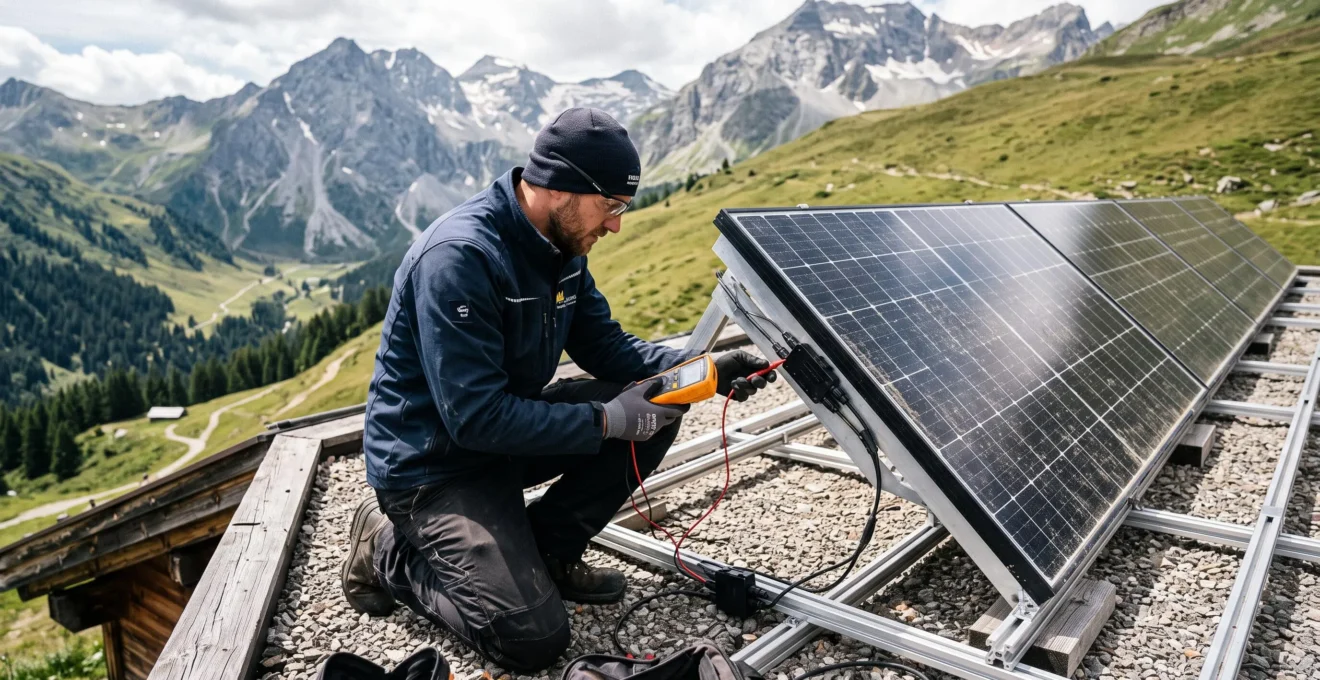
Solar photovoltaic (PV) systems have become the backbone of many off-grid chalet energy strategies, thanks to improving panel efficiencies and falling installation costs. High-altitude locations often enjoy stronger solar irradiation and clearer winter skies, which help compensate for shorter days. Roof-mounted or ground-mounted arrays are typically sized to cover base electrical loads—lighting, appliances, circulating pumps and communication systems—with peak summer output meeting increased demand from guests and electric vehicle charging.
Energy storage is critical, especially in winter when extended storms can reduce solar yield for several days. Modern lithium-iron-phosphate (LiFePO₄) battery banks offer long cycle life and improved safety compared with older lead-acid systems, with many off-grid chalets installing 20–40kWh or more of storage capacity. Hybrid inverters manage the flow between PV panels, batteries and backup generators—often ultra-efficient, sound-insulated diesel or biofuel units used sparingly to bridge prolonged low-sun periods. Smart monitoring platforms accessible via smartphone apps make it easier to track consumption, schedule high-load activities (like sauna use or EV charging) during sunny hours, and diagnose potential issues remotely.
Spring water collection and filtration systems for mountain properties
Water independence is another hallmark of genuine off-grid alpine retreats. Many properties are sited near natural springs or mountain streams, with intake points located upstream of any potential contamination sources such as grazing pastures or public paths. Gravity-fed systems are preferred wherever possible, as they reduce or eliminate the need for electric pumps and provide consistent pressure without mechanical complexity—much like an old-fashioned aqueduct, but on a domestic scale.
Raw mountain water is typically excellent in quality but still requires treatment to meet potable standards. A typical chalet system combines sediment pre-filters, activated carbon cartridges and ultraviolet (UV) sterilisation to remove particulates, improve taste and neutralise microorganisms. Storage tanks—either buried to prevent freezing or insulated within service spaces—provide a buffer against seasonal variability and peak demand. For guests, the result is a seemingly endless supply of cold, mineral-rich water straight from the tap; for owners, it reduces reliance on municipal infrastructure and aligns with sustainable hospitality goals.
Wood-fired heating: masonry stoves and sustainable forestry practices
In cold alpine environments, heating remains the dominant energy load, and wood has long been the primary local resource. Modern off-grid chalets increasingly rely on high-efficiency wood-fired systems—most notably masonry stoves and wood gasification boilers—to provide steady, comfortable warmth. A masonry stove, built from dense firebrick and stone, burns a hot, fast fire in a small chamber, storing the heat in its mass and releasing it slowly over many hours. One or two firings per day can keep living spaces warm, with far less particulate emission than traditional open hearths.
Where chalets are connected to their own or neighbouring forests, sustainable forestry practices become integral to the system. Selective logging, replanting and careful trail management ensure that firewood harvesting supports long-term ecosystem health. In some projects, owners work with local cooperatives to certify their fuel supply under schemes akin to FSC, providing both an ecological audit trail and a marketing advantage for eco-conscious guests. Many properties combine wood heat with underfloor distribution and well-insulated envelopes, so that wood becomes a supplementary, steady-beating heart of the chalet rather than a constant struggle against the cold.
Rental market, investment and sustainable property management
From an investment perspective, alpine chalets occupy a fascinating niche: lifestyle assets that can also generate attractive, though highly seasonal, income streams. Average gross rental yields in prime resorts often fall between 3% and 5%, but this headline figure hides significant variation between properties that are well-located, professionally managed and thoughtfully specified, and those that are not. If you are considering purchasing an alpine chalet—for personal use, rental or a mix of both—it pays to understand the key drivers of financial performance, and how environmental regulation now shapes them.
3–5%
gross yield
Typical gross rental yields in prime alpine resorts, with winter occupancy often exceeding 80% during core weeks for well-located chalets.
Location and accessibility sit at the top of the list. Chalets within 300–500 metres of a ski lift or directly on a piste typically command the highest weekly rates and enjoy the strongest winter occupancy. However, there is growing demand for more secluded chalets that excel as summer retreats, particularly if they offer standout features such as private pools, extensive gardens or wellness facilities. In such cases, a dual-season strategy can make sense: prioritise ski weeks in winter, then market the property for hiking, biking and wellness stays from June to September, smoothing out seasonal revenue spikes.
Specification and capacity also matter. Properties with 4–6 en-suite bedrooms, flexible sleeping arrangements (family suites, bunk rooms) and amenities such as hot tubs, cinema rooms and dedicated workspaces tend to attract multi-generational groups and corporate bookings willing to pay premium rates. At the same time, operating costs—from heating and snow clearance to local taxes and management fees—can erode margins if not carefully budgeted. Professional chalet management companies typically charge 20–30% of rental income for full-service packages, but their expertise in revenue management, marketing and guest services often more than compensates through higher occupancy and fewer operational headaches.
Regulatory factors should not be overlooked. Some municipalities impose restrictions on short-term rentals, second-home ownership or change-of-use permissions, particularly in areas facing housing pressure for local residents. Others offer incentives for energy-efficient renovations or heritage-sensitive restorations, which can improve long-term value and reduce running costs. Before committing capital, investors are well advised to commission not only a technical survey but also a market feasibility study analysing comparable rental performance, season length and potential upside from targeted upgrades—such as adding a spa area or reconfiguring underused basement space into guest amenities.
Energy regulations, biodiversity rules and sustainable operations
Alpine environments are inherently fragile, and the growth of chalet tourism has prompted tighter environmental regulation across many regions. For owners and developers, this creates both obligations and opportunities: compliance is non-negotiable, but sustainable design and operations increasingly differentiate premium properties in the eyes of guests—and a chalet that meets stringent energy standards costs less to run, which directly strengthens rental margins.
On the energy front, many alpine countries have adopted stringent building codes that set maximum allowable energy consumption per square metre, alongside requirements for renewable integration. In France, the RE2020 standard pushes new constructions towards low-carbon materials and high insulation levels, while Switzerland’s Minergie label provides a voluntary but influential benchmark for energy-efficient buildings. Retrofitting older chalets to meet or approach these standards can involve adding external insulation, upgrading glazing, installing heat pumps or integrating solar thermal and PV arrays. While upfront costs may be significant, long-term savings on energy bills and improved marketability often justify the investment.
Land-use and biodiversity regulations generally aim to prevent overdevelopment of sensitive slopes, protect forests and maintain wildlife corridors. Setback requirements from watercourses, limits on impermeable surfaces and controls on outdoor lighting all help minimise ecological impact. Thoughtful landscape design—using native plant species, minimising lawn monocultures and avoiding invasive ornamentals—supports local biodiversity while reducing irrigation and maintenance needs. For truly secluded retreats, wildlife-friendly fencing and discreet access tracks make it possible to coexist with deer, chamois and other fauna that share the mountainside.
Finally, sustainable property management extends to waste and water practices. Many communes now require separation of recyclables, composting of organic waste where feasible, and careful handling of greywater and blackwater to protect downstream ecosystems. In remote locations not served by municipal sewers, advanced septic or small-scale wastewater treatment plants with reed beds are common solutions. For guests, clear information—perhaps in a digital welcome book—about recycling points, water-saving measures and local conservation rules fosters responsible behaviour without feeling prescriptive. In this way, alpine chalets can become not just places to stay, but platforms for supporting the long-term health of the mountain environments that make them so special.
- If you prioritise expert skiing and year-round resort life: target Chamonix or St. Anton, with ski-in ski-out access and gear-focused amenities.
- If you seek prestige and premium rental rates: consider Zermatt, Verbier or Courchevel 1850, accepting higher capital intensity for stronger brand recognition.
- If your priority is summer hiking and quiet: look at Engadin, the Écrins or Dolomites bases, where seclusion comes at more accessible price points.
- If you want independence from grids and utilities: plan for solar PV with 20–40kWh storage, gravity-fed spring water and high-efficiency wood heating from the outset.