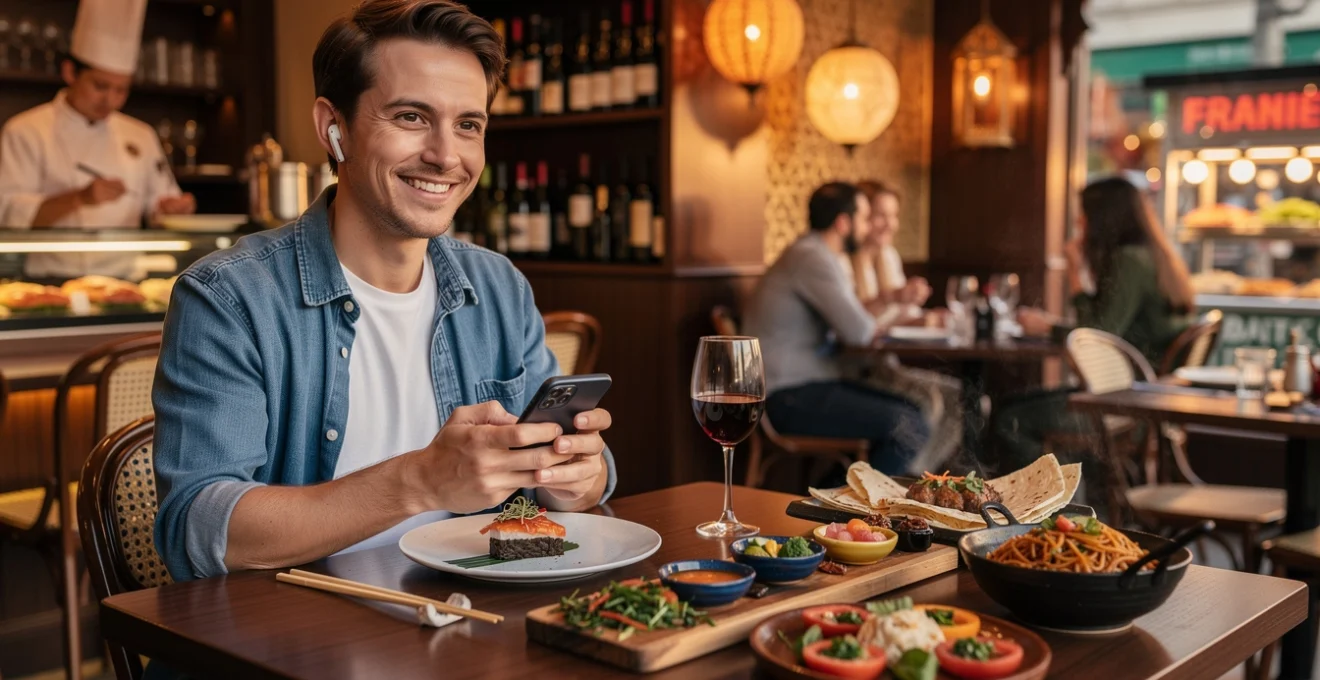
Solo dining abroad represents one of the most rewarding yet intimidating aspects of independent travel. The prospect of entering an unfamiliar restaurant alone, navigating foreign customs, and communicating in a different language can feel overwhelming even for seasoned travellers. However, dining solo whilst exploring international destinations offers unparalleled opportunities for cultural immersion, spontaneous conversations with locals, and the freedom to savour meals entirely on your own terms. The key lies in understanding that solo dining has evolved from an unusual occurrence to a widely accepted practice across most global destinations, with restaurants increasingly accommodating individual diners through dedicated seating arrangements and tailored service approaches.
Modern solo dining encompasses far more than simply eating alone; it involves strategic planning, cultural sensitivity, and confidence-building techniques that transform potentially awkward situations into memorable experiences. Whether you’re navigating a bustling Tokyo ramen counter, securing a table at a Parisian bistro, or exploring street food markets in Bangkok, understanding local dining etiquette and reservation systems significantly enhances your culinary adventures. The psychological barriers that once discouraged solo dining are diminishing as restaurants worldwide recognise the growing demographic of independent travellers seeking authentic gastronomic experiences without compromising their preferred travel style.
Cultural dining etiquette navigation across global destinations
Understanding cultural dining norms becomes crucial when dining solo abroad, as local customs can significantly impact your restaurant experience. Different cultures maintain varying attitudes towards individual diners, tipping practices, meal timing, and social interactions during dining. European destinations generally embrace solo dining culture, particularly in France, Italy, and Spain, where leisurely meals and wine appreciation are considered solitary pleasures. Scandinavian countries exhibit perhaps the most solo-friendly dining environments, with numerous establishments specifically designed for individual patrons.
Asian dining cultures present more complex scenarios for solo travellers. While Japan has perfected solo dining through counter-style establishments and efficient service models, other Asian destinations may require more strategic approach to restaurant selection. Understanding these cultural nuances prevents uncomfortable situations and helps you choose establishments where solo dining feels natural rather than conspicuous. Researching local dining customs before arrival enables you to adapt your approach accordingly, ensuring positive experiences regardless of your destination.
Japanese restaurant protocol: omakase ordering and chopstick etiquette
Japanese dining culture offers perhaps the world’s most sophisticated solo dining ecosystem, with numerous restaurant formats specifically designed for individual patrons. Omakase dining, where chefs select your meal progression, represents an ideal solo dining experience that eliminates ordering anxiety while providing authentic culinary adventures. Counter seating at sushi bars, ramen shops, and izakayas creates natural environments for solo diners, where interaction with chefs and efficient service models enhance the dining experience.
Chopstick etiquette remains essential when dining alone in Japanese establishments. Proper chopstick handling demonstrates respect for local customs and prevents inadvertent cultural missteps. Never leave chopsticks standing vertically in rice bowls, as this resembles funeral rituals, and avoid pointing chopsticks at others or using them to move dishes around the table. When dining at counter-style establishments, observe neighbouring diners to understand local customs regarding interaction levels and payment procedures.
French brasserie customs: wine selection and service expectations
French dining culture embraces solo diners, particularly during lunch hours when business professionals frequently dine alone. Brasseries and bistros typically welcome individual guests without reservation, though understanding French service expectations enhances your dining experience. French waitstaff maintain professional distances unless you initiate conversation, so don’t interpret reserved service as unfriendliness towards solo diners.
Wine selection poses unique challenges for solo diners in French establishments, where wine culture dominates dining experiences. Many restaurants offer wine by the glass, including prestigious selections that allow solo diners to experience quality wines without purchasing entire bottles. Requesting wine recommendations based on your meal selection demonstrates appreciation for French wine culture whilst receiving expert guidance. Understanding French dining pace expectations prevents rushed feelings, as leisurely meals remain cultural norms even for solo diners.
Middle eastern hospitality standards: mezze sharing and payment protocols
Middle Eastern dining culture centres on sharing and hospitality, potentially creating challenges for solo diners navigating traditional mezze-style restaurants. However, many establishments accommodate individual diners
by offering half portions of popular dishes, smaller mezze selections, and flexible bread and salad options. When you arrive, explain that you are one person and ask whether dishes can be downsized or served in stages. Many restaurants would rather adapt the menu than risk overwhelming a solo guest with food designed for groups, especially in cities with a strong business travel culture.
Payment etiquette can feel confusing if you are used to splitting bills or paying individually. In much of the Middle East, it is customary for one person to host and pay, which can actually simplify solo dining abroad since you will usually receive a single bill without discussion. Tipping norms vary by country, but a general guideline is 10–15% in sit-down restaurants when service is not already included. If in doubt, you can discreetly ask, “Is service included?” when the bill arrives, or observe what locals do at the cashier.
Southeast asian street food culture: hawker centre navigation in singapore
Singapore’s hawker centres provide one of the most solo-friendly dining environments in Southeast Asia, combining affordable prices with high culinary standards. These open-air food courts, which UNESCO recognised as an element of intangible cultural heritage in 2020, gather dozens of independent stalls around a shared seating area. As a solo diner abroad, you benefit from the ability to sample multiple dishes in small portions without committing to a full restaurant experience.
To navigate a hawker centre confidently, first walk a full circuit and observe which stalls have queues of locals; long lines are usually the best indicator of quality and food safety. Once you have chosen a stall, you typically order and pay at the counter, receive a buzzer or a ticket, and then collect your dish when it is ready. Finding a seat can feel chaotic at peak times, but it is perfectly acceptable to “chope” (reserve) a place by leaving a small item such as a tissue packet on the table, a uniquely Singaporean practice that solo travellers quickly adopt.
Hygiene standards at Singaporean hawker centres are tightly regulated, and most stalls display visible cleanliness grades, giving solo diners additional reassurance. If you feel uncertain about what to order, let the vendor know you are visiting and ask for their most popular dish; many are proud to introduce travellers to local favourites like chicken rice, laksa, or char kway teow. Because you share tables with strangers, hawker centres also provide low-pressure opportunities for casual conversation, making them an ideal bridge between dining alone and social dining.
Restaurant reservation systems and solo dining accommodation strategies
Modern reservation systems have made it far easier to secure a table for one when dining abroad. However, algorithms and booking policies still tend to prioritise larger parties, especially in high-demand restaurants where two-top or four-top tables are more profitable. As a solo diner, understanding how to work with these systems rather than against them helps you access restaurants that might otherwise appear fully booked.
Strategic timing, platform selection, and flexibility around seating all contribute to your chances of securing desirable reservations. In many global cities, restaurants now track solo reservations as a distinct customer segment, using counter spaces, bar seating, and smaller tables to maximise capacity. By signalling that you are willing to accept alternative seating options, you make it easier for restaurants to accommodate you while still protecting their revenue.
Opentable international platform optimisation for single diners
OpenTable and similar platforms operate in more than 80 countries, making them powerful tools for solo travellers planning restaurant experiences abroad. Yet these systems are often calibrated around common group sizes, which means that searching specifically for a “table for 1” may occasionally show fewer options than selecting “2” and adding a note. If you encounter limited availability, you can experiment with booking for two, then use the “special request” field to clarify that you will be dining alone; restaurants will usually adjust the seating plan accordingly.
To optimise OpenTable for solo dining, you can filter by “bar seating,” “counter dining,” or “casual dining” where available, as these venues tend to be more accommodating to single guests. Many restaurants monitor guest notes, so adding concise information such as “solo traveller, flexible on seating” can encourage staff to slot you into bar or counter spaces. If you enjoy documenting your experiences, leaving specific, constructive reviews about how solo-friendly a venue felt also contributes to a more transparent ecosystem for future travellers.
Walk-in dining timing analysis: peak hour avoidance techniques
Even in destinations where reservations are common, walk-in dining remains viable for solo travellers who understand local peak hours. Restaurants in major European cities often experience their highest demand between 8pm and 10pm, whereas North American venues may peak earlier, around 7pm to 9pm. By arriving 30–60 minutes before the main rush, you significantly increase your chances of being seated quickly as a walk-in, especially if you are happy to sit at the bar or a counter.
Think of peak hours like rush hour traffic: if you join at the busiest point, you are competing with every other diner; if you shift your schedule slightly, the entire experience becomes smoother. When dining solo abroad, consider making lunch your main restaurant meal, as midday services are generally less crowded and more relaxed. You can then opt for street food, lighter snacks, or takeaway in the evening, reducing both cost and social pressure.
Counter seating preferences: sushi bars and chef’s table positioning
Counter seating and chef’s tables are arguably the most rewarding options for solo diners, combining excellent views with integrated interaction. In sushi bars across Japan and beyond, counter seats allow you to watch chefs prepare each piece with precision, turning your meal into a culinary performance. Similarly, chef’s tables in contemporary restaurants often face open kitchens, giving solo guests a front-row perspective on plating, teamwork, and technique.
When making a reservation, you can explicitly request counter seating by adding a note such as “counter preferred if available” or selecting bar seating where platforms allow. This small detail signals that you understand the restaurant’s layout and are willing to occupy what is often their most flexible seating zone. For solo diners who feel awkward sitting at a centre table, counter positions also reduce the sense of being “on display,” as your attention focuses outward on the kitchen rather than on surrounding groups.
Michelin-starred establishment booking protocols for individual guests
Booking Michelin-starred restaurants as a solo diner abroad can feel intimidating, yet many fine-dining establishments welcome individual guests, particularly at lunch. Some high-end venues offer specific counter menus or “chef’s counter” experiences designed for smaller parties, making them ideal choices for travellers seeking a special meal for one. However, these restaurants often operate with strict reservation policies and cancellation terms, so reading the conditions carefully before confirming is essential.
To maximise your chances of securing a prestigious reservation, start early—top restaurants can open their books 30–60 days in advance, with prime slots disappearing quickly. If online systems show no availability for one, consider emailing the restaurant directly, highlighting your flexibility with dates and times; solo diners can sometimes be fitted into otherwise unbookable slots. When you arrive, presenting yourself confidently and engaging respectfully with staff and sommelier teams often leads to an elevated level of service and curated wine pairings, even without a dining companion.
Communication frameworks for non-native language restaurant interactions
Effective communication forms the backbone of a positive solo dining experience, especially when you do not share a language with restaurant staff. Fortunately, clear frameworks and simple phrases can bridge most gaps, even in complex culinary environments. Rather than aiming for fluency, your goal is to convey key information—dietary preferences, portion sizes, spice tolerance, and payment intentions—with clarity and respect.
A practical approach is to learn a small toolkit of phrases before you travel, such as “table for one, please,” “no meat,” “not too spicy,” and “can I have the bill?” in the local language. Writing these down on your phone or in a small notebook helps if you feel nervous ordering aloud. Where language barriers persist, you can use a combination of gestures, translated text, and pointing at menu items or display dishes; think of it as assembling a puzzle together rather than passing a test.
Politeness goes a long way in non-native interactions. Starting with a greeting in the local language, maintaining eye contact, and saying “please” and “thank you” (even with imperfect pronunciation) often transform the quality of service you receive. If you have allergies or strict dietary requirements, prepare a short translated note in advance that you can show to staff—this is far clearer than trying to explain complex medical conditions in broken phrases at the table.
Digital technology integration for enhanced solo dining experiences
Digital tools have revolutionised how travellers discover, evaluate, and enjoy restaurants abroad, particularly those dining alone. Where you once had to rely solely on guidebooks or word of mouth, you can now cross-check reviews, translate menus in real time, and track spending from your phone. Used thoughtfully, technology functions like a discreet travel companion, boosting your confidence without distracting from the experience itself.
The key is to treat apps and platforms as support systems rather than crutches. You might use them during the research and ordering phases, then put your phone away once your meal arrives so you can fully engage your senses. Balancing digital convenience with present-moment awareness ensures that your solo dining abroad remains both efficient and deeply enjoyable.
Google translate camera function for menu comprehension
One of the most powerful tools for solo dining abroad is the Google Translate camera feature, which allows you to hover your phone over a menu and see real-time translations. This is particularly valuable in destinations where menus are written in non-Latin scripts, such as Japanese, Korean, or Thai. While translations are not always perfect, they usually provide enough context to distinguish between broad categories like seafood, meat, vegetables, and desserts.
To use the feature effectively, download the relevant language pack in advance so you can translate offline, even in restaurants with weak connectivity. Think of the translations as a map rather than an exact blueprint: they guide your general direction but may mislabel the occasional dish. If a description looks confusing, you can show the translated screen to your server and ask for clarification, combining technology with human guidance to make informed choices.
Foursquare and yelp local discovery algorithms
Platforms like Foursquare and Yelp rely on sophisticated discovery algorithms that surface restaurants based on location, rating trends, and user behaviour. For solo diners abroad, this means you can filter venues by atmosphere, price range, and popularity among locals rather than relying solely on tourist-centric lists. Many experienced travellers cross-reference multiple apps, using Foursquare or Yelp for granular reviews and Google Maps for navigation and opening hours.
To refine your results, pay attention to recurring themes in reviews: comments about “great for solo dining,” “friendly bar seating,” or “welcoming staff” often indicate a positive environment for individual guests. Conversely, repeated remarks about rushed service, loud groups, or strict time limits might signal a less relaxed setting for a leisurely meal alone. Over time, you will develop an intuitive sense of which algorithm recommendations align with your personal style, much like getting to know a friend’s taste in restaurants.
Instagram geolocation tags for authentic restaurant identification
Instagram’s geolocation tags provide a visual way to identify authentic restaurants, especially in cities with fast-changing food scenes. By searching a neighbourhood or specific venue name, you can see real diners’ photos, stories, and short videos, offering an unfiltered look at portion sizes, crowd density, and overall vibe. This is particularly helpful for solo travellers who want to gauge whether a restaurant feels formal, casual, or somewhere in between before committing to a reservation.
When reviewing geotagged content, look beyond picture-perfect dishes and focus on context: are people sitting at the bar? Do you see solo diners with books or laptops? Is the lighting bright enough for you to feel comfortable alone in the evening? Treat Instagram not just as a highlight reel but as a reconnaissance tool that complements traditional review platforms.
Currency conversion apps for transparent pricing analysis
Understanding pricing in unfamiliar currencies is essential for stress-free solo dining abroad, especially if you are mindful of your budget. Currency conversion apps, whether standalone or integrated into banking platforms, allow you to estimate costs in real time before you order. This helps avoid the uncomfortable situation of enjoying a meal only to discover that speciality items or tasting menus were far more expensive than expected.
For best results, set up your app with offline rates or recent updates before entering a restaurant, as some venues may have limited signal. You can then discreetly check conversion estimates while browsing the menu, giving you clarity on whether that extra glass of wine or dessert fits your daily budget. Over time, you will start to internalise rough exchange rates, but keeping a conversion tool handy provides a reassuring safety net while you build that intuition.
Psychological confidence building techniques for independent restaurant dining
Confidence is arguably the most important ingredient in enjoying solo dining abroad, and like any skill, it improves with deliberate practice. Many travellers feel self-conscious at first, worrying that other guests are judging them for eating alone. In reality, most people are far more absorbed in their own conversations than in your table, and those who do notice you often admire your independence rather than pity your solitude.
One effective technique is graded exposure—starting with low-pressure environments such as cafés, food courts, or casual lunch spots before progressing to more formal dinners. Each positive experience creates a mental “win” that you can draw on the next time you feel nervous. You might even keep a simple note in your phone recording restaurants where you felt particularly comfortable; revisiting these memories functions like reviewing past successes before an exam.
Reframing your inner dialogue also makes a significant difference. Instead of thinking, “Everyone is staring at me,” you can consciously replace it with, “I am giving myself the freedom to enjoy this meal exactly how I want.” Visualise solo dining as a form of self-care rather than a sign of isolation—similar to going to a spa alone or visiting a museum at your own pace. As you accumulate experiences, you will likely reach a point where eating alone feels not just acceptable, but actively enjoyable.
Regional cuisine navigation: specialist restaurant categories worldwide
Understanding specialist restaurant categories around the world allows you to tailor your solo dining abroad to your interests and comfort level. Some venues are structured around long, multi-course experiences, while others focus on quick, efficient service or communal sharing. Matching your mood and schedule to the right category reduces friction and enhances enjoyment.
In Japan, for instance, ramen-ya and standing sushi bars deliver fast, satisfying meals perfect for solo travellers between sightseeing stops, whereas kaiseki restaurants offer elaborate tasting menus suited to special occasions. In Italy, trattorie and osterie often feel more relaxed and local than formal ristoranti, making them ideal for low-key dinners for one. Across the Middle East, casual grill houses and falafel stands provide affordable, flavourful options without the social expectations of full mezze feasts.
As you explore new destinations, pay attention to how locals categorise their dining spaces—café versus bistro, hawker stall versus restaurant, tapas bar versus fine-dining establishment. Each category carries implicit expectations about pacing, portion size, and interaction level, much like genres in music. By learning to “read” these categories, you give yourself the tools to select restaurants that align with your preferences, ensuring that solo dining abroad becomes a highlight of your travels rather than a hurdle.