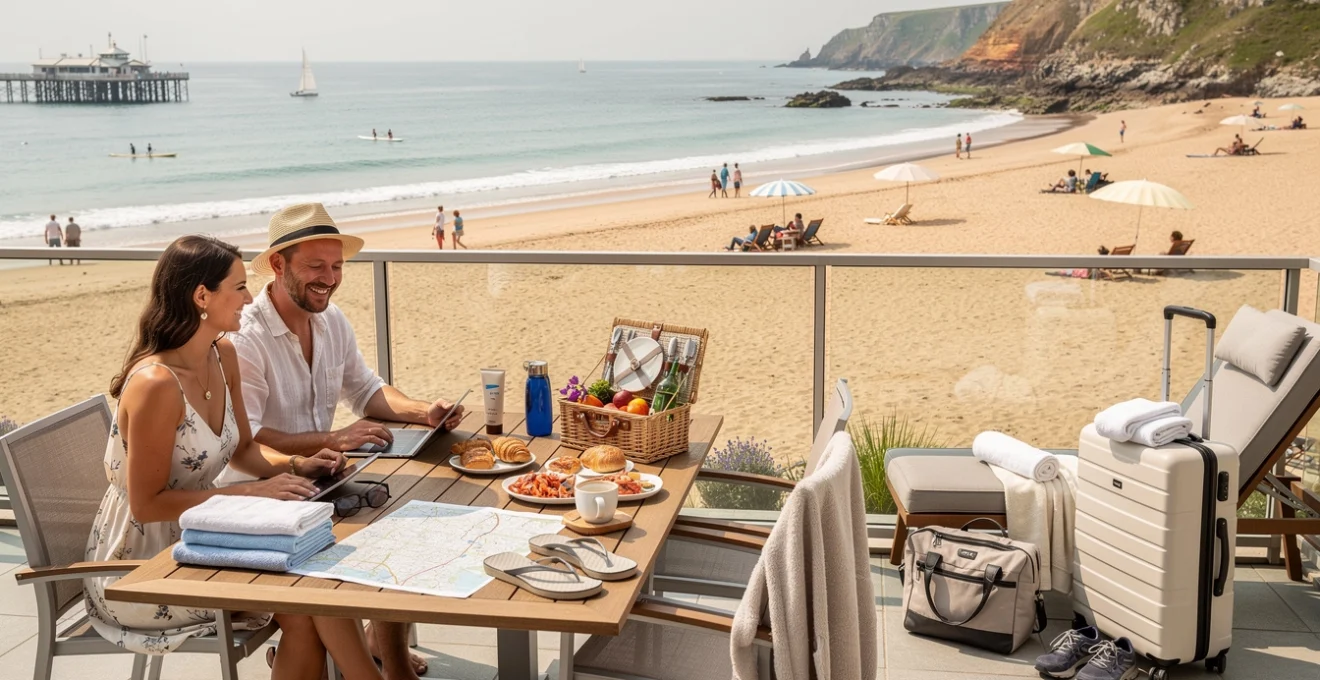
The gentle rhythm of waves against the shore offers an irresistible call to those seeking respite from the demands of modern life. Coastal breaks represent far more than mere holidays; they provide essential opportunities for mental restoration and physical rejuvenation. The British coastline, with its diverse offering of dramatic cliffs, sandy beaches, and charming seaside towns, presents countless possibilities for the perfect getaway.
Planning a truly relaxing seaside break requires careful consideration of multiple factors, from accommodation selection to activity coordination. The difference between a mediocre coastal holiday and an exceptional one often lies in the preparation phase. Understanding how to navigate peak season bookings, optimise your itinerary for maximum comfort, and select the ideal location can transform your break into an unforgettable experience.
Strategic accommodation selection for coastal comfort maximisation
The foundation of any successful seaside break rests upon securing accommodation that perfectly aligns with your comfort requirements and relaxation goals. The choice between different accommodation types significantly impacts your overall experience, influencing everything from daily routines to budget considerations. Modern coastal destinations offer an extensive range of options, each presenting unique advantages for different types of travellers.
Exceptional accommodation sets the tone for your entire coastal experience, serving as both sanctuary and base camp for your seaside adventures.
Beachfront villa rentals vs premium resort amenities analysis
Beachfront villa rentals provide unparalleled privacy and flexibility, allowing you to create your own schedule without the constraints of hotel dining times or crowded common areas. These properties typically feature fully equipped kitchens, multiple bedrooms, and exclusive beach access, making them ideal for families or groups seeking space and independence. The ability to prepare your own meals using local ingredients adds an authentic dimension to your coastal experience.
Premium resort amenities, conversely, offer convenience and comprehensive service packages that eliminate the need for extensive planning. Professional housekeeping, concierge services, and on-site dining facilities allow you to focus entirely on relaxation. Many luxury coastal resorts also provide spa services, fitness facilities, and organised activities that enhance your stay without requiring additional research or booking efforts.
Proximity metrics: walking distance to brighton beach and bournemouth pier
Location proximity significantly influences your daily comfort and convenience during seaside breaks. Properties within a five-minute walk of major coastal attractions like Brighton Beach or Bournemouth Pier provide immediate access to essential amenities and entertainment options. This close proximity proves particularly valuable during unpredictable weather conditions, allowing quick retreats to comfortable accommodation when needed.
However, accommodations situated slightly further from main attractions often offer better value and reduced noise levels. Properties located 10-15 minutes from popular destinations frequently provide the perfect balance between accessibility and tranquillity. Consider your mobility requirements and preferred activity levels when evaluating proximity factors for optimal comfort.
Room configuration optimisation for sea view accessibility
Sea view accessibility extends beyond mere window placement, encompassing room orientation, balcony configuration, and potential obstructions. Premium sea-facing rooms command higher prices but deliver immeasurable value through natural light enhancement and constant connection to the coastal environment. The psychological benefits of waking to ocean views contribute significantly to the relaxation process.
Room configuration should also consider practical elements such as storage space, bathroom facilities, and seating arrangements. Coastal accommodation experiences significant humidity fluctuations, making adequate ventilation and storage crucial for clothing and equipment care. Balcony access provides additional living space and opportunities for private relaxation while maintaining connection to the coastal atmosphere.
Climate control systems and coastal humidity management
Coastal environments present unique climate challenges that significantly impact accommodation comfort levels. Sea air carries higher moisture content than inland locations, potentially creating uncomfortable sleeping conditions without proper climate control systems. Modern air conditioning units with dehumidification capabilities prove essential for maintaining optimal comfort throughout your stay.
Effective humidity management extends beyond temperature control to include proper ventilation systems and moisture-resistant furnishings. Properties equipped with ceiling fans, cross-ventilation design, and breathable bedding materials provide superior comfort during warm coastal evenings. Consider accommodation descriptions carefully, particularly regarding climate control capabilities, to ensure comfortable rest periods throughout your break.
Advanced it
Advanced itinerary architecture for stress-free coastal experiences
Thoughtful itinerary design transforms a simple seaside break into a genuinely restorative experience. Rather than filling every moment, an efficient plan creates a flexible framework that supports relaxation while still allowing for memorable coastal adventures. By aligning activities with tides, weather patterns, and local events, you minimise stress and maximise comfort throughout your seaside holiday.
Think of your itinerary as a tide chart for your energy levels: some moments are ideal for exploration, others for rest. Building in this natural ebb and flow helps you avoid the common trap of returning from a beach holiday feeling more exhausted than when you left. A well-structured plan also makes it easier to adapt when conditions change, ensuring your relaxing seaside break remains enjoyable even if the forecast shifts.
Tidal schedule integration with cornwall’s perranporth beach activities
Tidal schedules play a critical role in planning comfortable and safe activities along popular beaches such as Perranporth in Cornwall. Low tide exposes vast stretches of sand ideal for long walks, beach games, and exploring rock pools, while high tide may limit available space and increase wave intensity. Integrating an accurate tide timetable into your daily planning ensures you arrive at the beach when conditions best suit your preferred activities.
For example, those interested in surfing or bodyboarding often benefit from mid-tide conditions, while families with young children may prefer the shallower, calmer waters found at specific tidal stages. Many coastal authorities and surf schools publish up-to-date tide and surf reports online, which you can review each morning. By aligning your schedule with these natural rhythms, you reduce frustration and avoid unnecessary waiting periods on crowded or restricted sections of sand.
Weather pattern analysis for dorset coast planning precision
Weather variability along the Dorset Coast requires proactive planning for a stress-free seaside break. While summer months generally offer the best chance of dry, warm conditions, even July and August can see intermittent showers and brisk sea breezes. Consulting multi-day forecasts and hourly breakdowns enables you to align outdoor activities such as coastal walks along the Jurassic Coast or visits to Durdle Door with the most favourable windows.
Modern weather apps and local coastal reports often provide information on UV index, wind speed, and sea temperature, all of which influence comfort levels. Higher winds may make boat trips less pleasant but create excellent conditions for kite flying or windsurfing, while overcast days can be ideal for exploring coastal towns without overheating. Treat the forecast as a planning partner rather than an obstacle, and you will find it easier to adapt while still maintaining the relaxing tone of your break.
Transportation logistics between whitstable oyster festivals and canterbury
Efficient transport planning between coastal destinations and nearby cultural centres prevents unnecessary stress during your seaside holiday. The route between Whitstable, famous for its oyster festivals, and the historic city of Canterbury is a prime example. Trains typically take around 20 minutes, while driving can vary depending on traffic, especially during festival periods and peak summer weekends.
To maintain a calm experience, research train schedules in advance and consider off-peak travel times, which often provide quieter carriages and better seating options. If you are driving, factor in parking availability in both locations and pre-book spaces where possible, particularly near Whitstable harbour or Canterbury’s city centre. Building your coastal itinerary around reliable transport connections ensures you spend more time enjoying fresh seafood and cathedral architecture, and less time navigating congestion or searching for last-minute options.
Buffer time allocation for spontaneous coastal discovery
One of the greatest pleasures of a seaside break is the opportunity for spontaneous discovery, from hidden coves to unexpected café finds. However, this spontaneity only feels relaxing when you have allowed adequate buffer time between scheduled activities. Allocating 20–30 minutes of unscheduled time around key movements, such as transfers between towns or restaurant bookings, creates breathing space that reduces anxiety about delays.
Consider your itinerary as a flexible framework rather than a rigid timetable. By deliberately leaving “white space” in your day, you give yourself permission to follow a coastal path that looks inviting, pause to watch a sunset, or linger longer over a seafood lunch. These unscripted moments often become the highlight of a relaxing seaside break, yet they can only occur if you have consciously protected time for them.
Coastal packing methodologies for enhanced comfort standards
Strategic packing has a direct impact on how comfortable and relaxed you feel throughout your seaside holiday. Overpacking leads to heavy luggage, cluttered rooms, and decision fatigue, while underpacking can force last-minute purchases and compromise your comfort on the beach. The most effective coastal packing methodology sits between these extremes, focusing on versatile, climate-appropriate items and compact organisation.
Begin by analysing your planned activities and likely weather conditions along the British coastline during your travel dates. Lightweight layers, breathable fabrics, and quick-drying materials are invaluable in managing coastal breezes and occasional showers. Packing cubes or compartmentalised bags help you separate beachwear, daywear, and evening outfits, reducing the daily effort required to get ready and keeping your accommodation environment calm and orderly.
From a comfort perspective, a few well-chosen accessories can dramatically improve your seaside experience. A high-quality microfibre beach towel, supportive sandals suitable for both sand and promenade walking, and a wide-brimmed hat all contribute to long-lasting comfort by the sea. Travel-sized skincare, after-sun lotion, and a reusable water bottle support hydration and skin health, which are key to enjoying extended periods outdoors without discomfort.
Therapeutic beach activities and wellness integration techniques
Incorporating wellness-led activities into your seaside break significantly enhances its restorative value. Rather than treating the beach solely as a space for sunbathing, you can view it as a natural wellness studio, offering opportunities for gentle movement, mindfulness, and sensory relaxation. Many coastal visitors now prioritise “restorative travel”, intentionally designing breaks that support mental health and physical wellbeing.
Early-morning beach walks, for example, provide low-impact cardiovascular exercise while the shoreline is quieter and temperatures are more comfortable. Practising simple stretching routines or yoga sequences on the sand encourages grounding, as the uneven surface engages stabilising muscles and the sound of waves promotes calm. You do not need advanced skills; even five minutes of deep breathing while focusing on the horizon can reduce stress levels and help you disconnect from daily pressures.
Meditative activities such as listening to the waves with closed eyes, collecting shells mindfully, or journalling while seated on a promenade bench can be integrated into your day with minimal effort. These practices act like gentle “reset buttons” for your nervous system, allowing you to fully benefit from the soothing coastal environment. By intentionally weaving such small wellness rituals into your schedule, you create a beach holiday that feels genuinely restorative rather than simply busy in a different location.
Culinary planning for seaside gastronomic excellence
Food experiences form an essential part of any relaxing seaside break, contributing both to comfort and cultural immersion. Thoughtful culinary planning ensures you enjoy high-quality, locally sourced dishes without the stress of last-minute decisions or fully booked restaurants. Whether you prefer refined seafood dining or simple fish and chips eaten on a promenade bench, aligning your gastronomic choices with your overall comfort goals elevates your coastal escape.
Understanding local specialties along the British coastline can guide your dining strategy. From oysters in Whitstable to smoked kippers in Northumberland, each region offers distinctive flavours that enrich your sense of place. Balancing a mix of reservations at popular venues with flexible, informal meals gives you both security and spontaneity, preventing the common scenario of queuing for tables at peak times.
Local seafood sourcing from aldeburgh fish market networks
Aldeburgh on the Suffolk coast is renowned for its beachside fish huts and direct-from-boat seafood sales, offering an excellent template for integrating local sourcing into your holiday. Purchasing fresh fish from these market networks allows you to prepare simple, high-quality meals in self-catering accommodation such as beachfront cottages or serviced apartments. This approach combines culinary pleasure with cost efficiency, particularly for families or longer stays.
When buying from local fishmongers, do not hesitate to ask which catch is freshest that day and how best to cook it. Many vendors will recommend straightforward preparation methods that require minimal equipment, such as grilling or baking in foil with herbs and lemon. By aligning your menu with what the sea has provided, you reduce decision fatigue and deepen your connection to the coastal environment, all while maintaining a relaxed, unhurried pace to your dining.
Coastal restaurant reservation systems during peak season
During peak holiday periods, particularly school holidays and bank weekends, popular coastal restaurants often reach capacity quickly. To avoid the stress of long waits or compromised choices, it is wise to research key dining spots in advance and utilise online reservation systems where available. Many establishments along busy stretches such as Brighton seafront or Bournemouth Pier now accept digital bookings, which you can manage directly from your phone.
A practical strategy involves securing reservations for one main meal per day at high-demand venues, while leaving other meals more flexible. This ensures you benefit from at least one reliably comfortable dining experience, complete with sea views or renowned local dishes, without over-structuring your days. Remember to consider walking distance from your accommodation when booking; shorter strolls back after an evening meal maintain the relaxed tone of your seaside break and reduce reliance on taxis or late-night public transport.
Picnic logistics for bamburgh castle beach expeditions
Picnics offer a charming and cost-effective way to enjoy seaside gastronomy in spectacular settings such as Bamburgh Castle Beach in Northumberland. However, a comfortable picnic requires more than simply placing food in a bag. Insulated cool bags, reusable containers, and a robust blanket or lightweight folding chairs contribute significantly to your ability to linger in comfort, especially when breezes pick up along exposed stretches of sand.
Before heading out, check tide times and wind forecasts to identify the most suitable window for your picnic, and locate nearby facilities such as car parks and public conveniences. Simple, transport-friendly foods—artisan bread, local cheeses, cured meats, and fresh fruit—tend to travel well and require minimal preparation on-site. By organising your picnic logistics with the same care as a restaurant booking, you create a laid-back dining experience that rivals any formal meal, all while enjoying uninterrupted sea views and the dramatic backdrop of Bamburgh Castle.
Budget optimisation strategies for luxury coastal breaks
Achieving a luxurious seaside experience does not necessarily require an unlimited budget. With strategic planning, you can enjoy premium comfort, sea views, and memorable activities while maintaining clear financial boundaries. The key lies in identifying which elements of your coastal break deliver the greatest personal value and allocating resources accordingly, whether that is accommodation quality, dining experiences, or wellness activities.
One effective approach is to invest in core comfort factors—such as a well-located room with strong climate control and reliable bedding—while moderating spending on aspects that matter less to you, such as extensive paid excursions. Booking shoulder-season dates, typically late spring or early autumn along the British coastline, often yields lower rates for high-end hotels and beachfront rentals while still providing pleasant weather conditions. Many travellers find that travelling outside peak school holidays can reduce accommodation costs by 20–30%, freeing budget for spa treatments, fine dining, or private tours.
Transport and dining present further opportunities for cost optimisation without sacrificing comfort. Advance rail bookings, ride-sharing for transfers, and selective car hire can all reduce expenditure while maintaining convenience. Similarly, combining a few special-occasion restaurant meals with self-catered breakfasts and market-sourced picnics allows you to enjoy culinary excellence without constant high spending. By consciously matching your financial plan to your desired comfort level, you create a seaside break that feels indulgent yet sustainable—leaving you refreshed rather than concerned about post-holiday expenses.